SonLight Power designs solar workshops to fit your needs.
Whether you're looking to apply solar power in the mission field, interested in adding a solar power component to STEM-based curriculum, or just curious about solar power and its applications at home, we'll tailor a workshop for you.
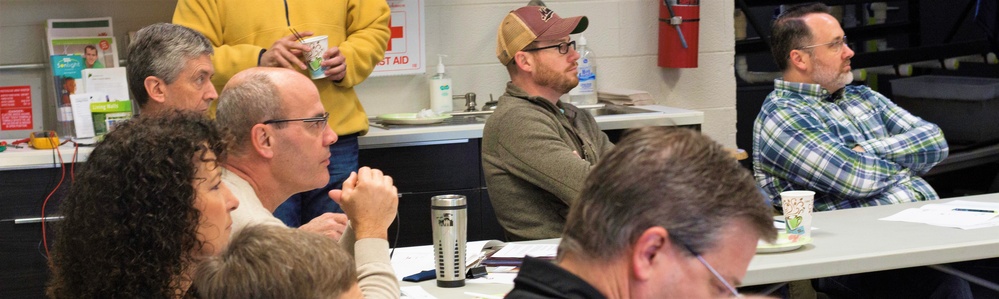
SonLight Power provides informative, engaging solar training in a friendly setting that builds your technical expertise.
Is Solar School right for you? Find out by watching this brief video featuring four Solar School testimonials from leaders across our community:
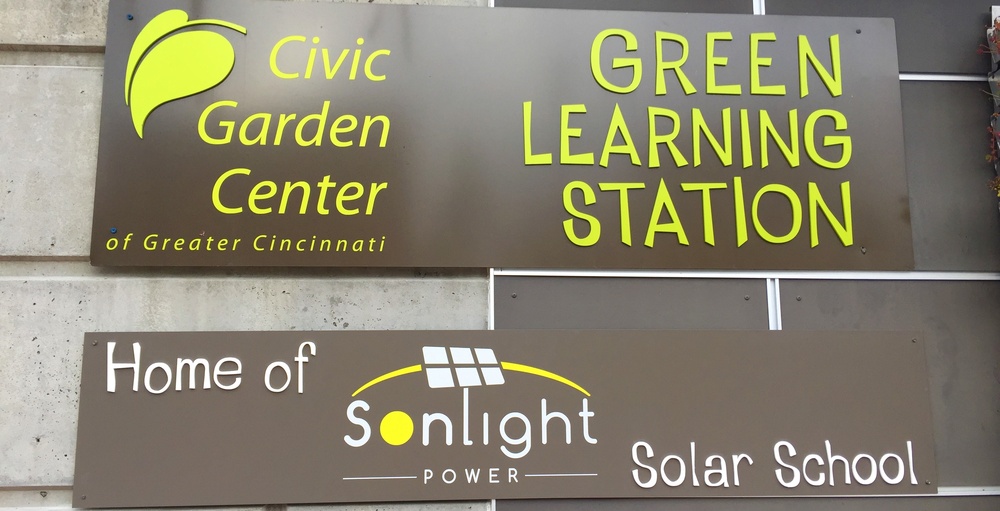
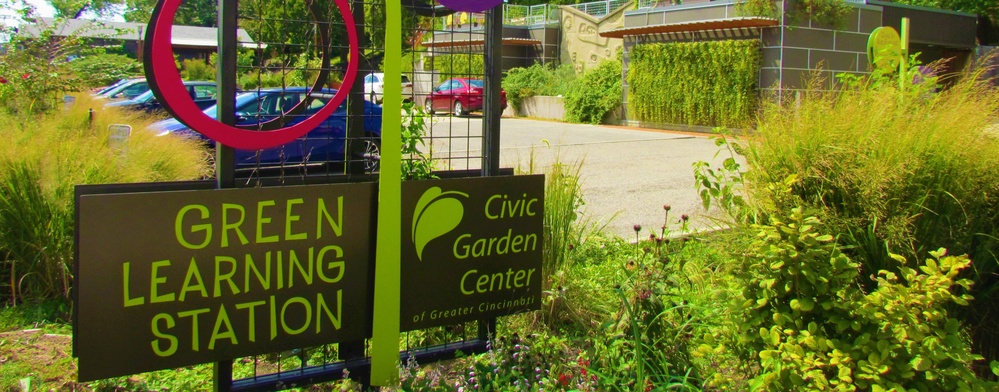
SonLight Power Solar School is located at the Green Learning Station of the Civic Garden Center of Greater Cincinnati, just minutes from downtown Cincinnati, Ohio.
WHAT TO EXPECT
At a typical Solar School workshop, you’ll learn:
- How a solar power system works
- How to design a solar power system
- How to assemble a solar power system
- Best practices in solar installation safety
- How to test and commission a solar power system
- How to choose the right equipment to fit your needs
- How to calculate the potential return on a solar power investment
You can expect to learn what you didn't know you didn't know about solar power, so that you're prepared for your next step, whatever that next step may be. There's ample time for questions and answers.
Unless otherwise posted, Solar School workshops run from 8am-4pm.
 Don't have a solar background? Don't worry. We provide instruction for solar novices as well as intermediate and advanced solar technicians.
You'll leave Solar School ready and eager to put your new skills to work.

SOLAR SCHOOL AT THE GREEN LEARNING STATION | CIVIC GARDEN CENTER
The Green Learning Station on the Civic Garden Center campus is a natural fit as a SonLight Power Solar School venue. The Green Learning Station is a place for people to get outside, play around with science and sustainability concepts, and take new ideas home to try.

What's more, it's located just minutes from downtown Cincinnati with proximity to hotels, restaurants, entertainment, universities, and all the city offers.
Solar School complements the Civic Garden Center's range of classes, tours and workshops for all ages. SonLight Power solar workshops are typically scheduled on Saturdays and filled according to demand.
The address of the Civic Garden Center is: 2715 Reading Road, Cincinnati, OH 45206
***Note that the entrance to the main parking area is on Oak Street, not Reading Road.***

REGISTRATION
The next Solar School workshop in Cincinnati will take place in 2026 as determined by demand. Solar School workshops take place on a Saturday from 8am-4pm.
***To register, complete the online Solar School Registration and Interest Form and submit your registration fee (see details below) on the SonLight Power Online Giving page. Make sure to enter Solar School Workshop in the Apply Gift To field when submitting online payment. A member of the SonLight Power team will then follow-up to confirm your registration.***
Workshop registration fees are $200 per person. Additional immediate family members are $100 each.
Contributions above the workshop costs are welcome to help sustain our solar-powered mission. SonLight Power is a 501(c)(3) non-profit organization, so contributions above the registration fee are tax deductible.
Workshop fees cover all training materials and meals.
Solar School workshops are scheduled on an on-demand basis. Check the SonLight Power Mission Calendar for dates and locations of upcoming Solar School workshops as they become available.
Customized training is also available for groups and individuals. Contact us by email at [email protected]